Modern work life sounds convenient—laptops, ergonomic chairs, remote offices… yet so many people quietly fight daily aches, stiffness, and exhaustion. This growing issue has a name: Office Syndrome.
At Relief Thai Spa, we see more clients than ever dealing with this condition. And while the symptoms can be frustrating, the good news is that Office Syndrome can be managed—and often reversed—with the right understanding and care.
Let’s break down what it really is, why it happens, and how to spot the early signs.
What Is Office Syndrome?
Office Syndrome refers to a collection of physical and mental symptoms caused by prolonged sitting, repetitive movements, and poor posture—common in office or computer-based jobs. It develops gradually and often goes unnoticed until the discomfort becomes part of daily life.
In simple terms:
Your body is designed to move, but office work keeps it still for far too long.
The Real Causes Behind Office Syndrome
Office Syndrome isn’t caused by one single factor—it’s usually a mix of daily habits and working conditions. Here are the main contributors:
✔ Long Hours Sitting
Remaining in the same position tightens the hips, weakens the core, and strains the spine.
✔ Poor Posture
Slouching, leaning forward toward the screen, or sitting with rounded shoulders places constant pressure on neck and back muscles.
✔ Repetitive Movements
Typing, mouse use, and repeated hand motions can strain the wrists, fingers, and forearms.
✔ Improper Workspace Setup
A low monitor, high desk, unsupported chair, or awkward keyboard position can cause imbalances.
✔ High Stress Levels
Stress tightens muscles, especially around the neck and shoulders, intensifying physical pain.
✔ Lack of Stretching and Movement
Hours go by without standing, stretching, or relaxing the hands and shoulders—fueling chronic tension.
Common Symptoms of Office Syndrome
Office Syndrome symptoms often appear slowly, becoming more noticeable over weeks or months.
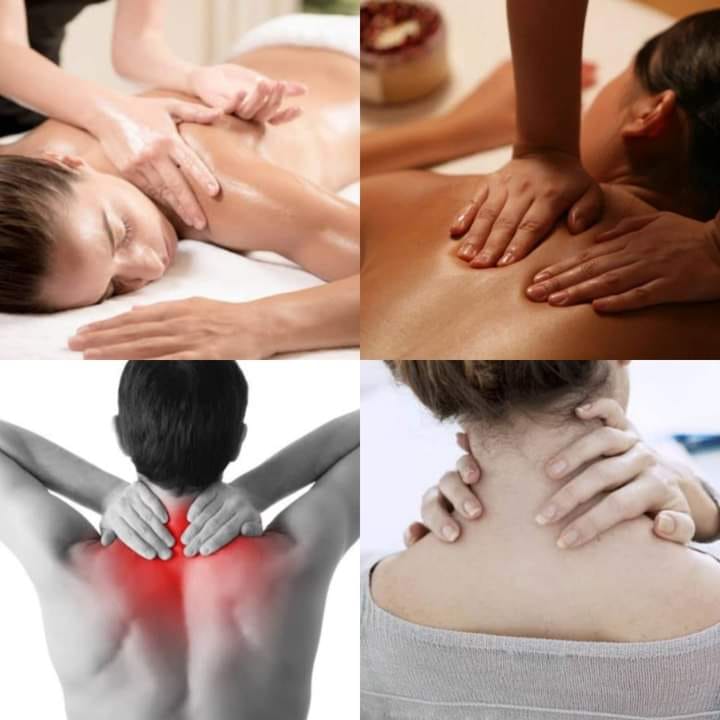
- Neck and Shoulder Pain
The most common complaint. Tightness builds from leaning forward, looking down, or holding stress in the upper body.
- Headaches or Migraines
Tension in the neck and shoulders can trigger frequent headaches—especially in the afternoon.
- Lower Back Pain
Weak core muscles and poor sitting posture strain the lumbar spine, causing aches and stiffness.
- Wrist, Hand, or Finger Pain
Overuse of the mouse and keyboard can lead to carpal tunnel–like symptoms, numbness, or tingling.
- Eye Strain and Fatigue
Staring at screens without breaks leads to dryness, blurry vision, and tired eyes.
- General Muscle Stiffness
Feeling “locked up,” especially after long meetings or long stretches of sitting.
- Stress, Irritability, or Mental Fatigue
Physical discomfort often affects mood, focus, and overall sense of well-being.
Why Office Syndrome Is Becoming More Common
The rise in remote work, increased screen time, and digital lifestyles has made long periods of sitting the norm—not the exception.
Even people who exercise regularly can still suffer if most of their day is spent in a static position.
The body thrives on movement, and Office Syndrome is simply the body signaling:
“I need more balance.”
How Relief Thai Spa Helps With Office Syndrome
While this article focuses on causes and symptoms, it’s worth knowing that relief is absolutely possible.
At Relief Thai Spa, our therapists often treat:
- Upper-body stiffness
- Chronic back pain
- Muscle imbalance
- Stress-related tension
- Poor circulation from long hours of sitting
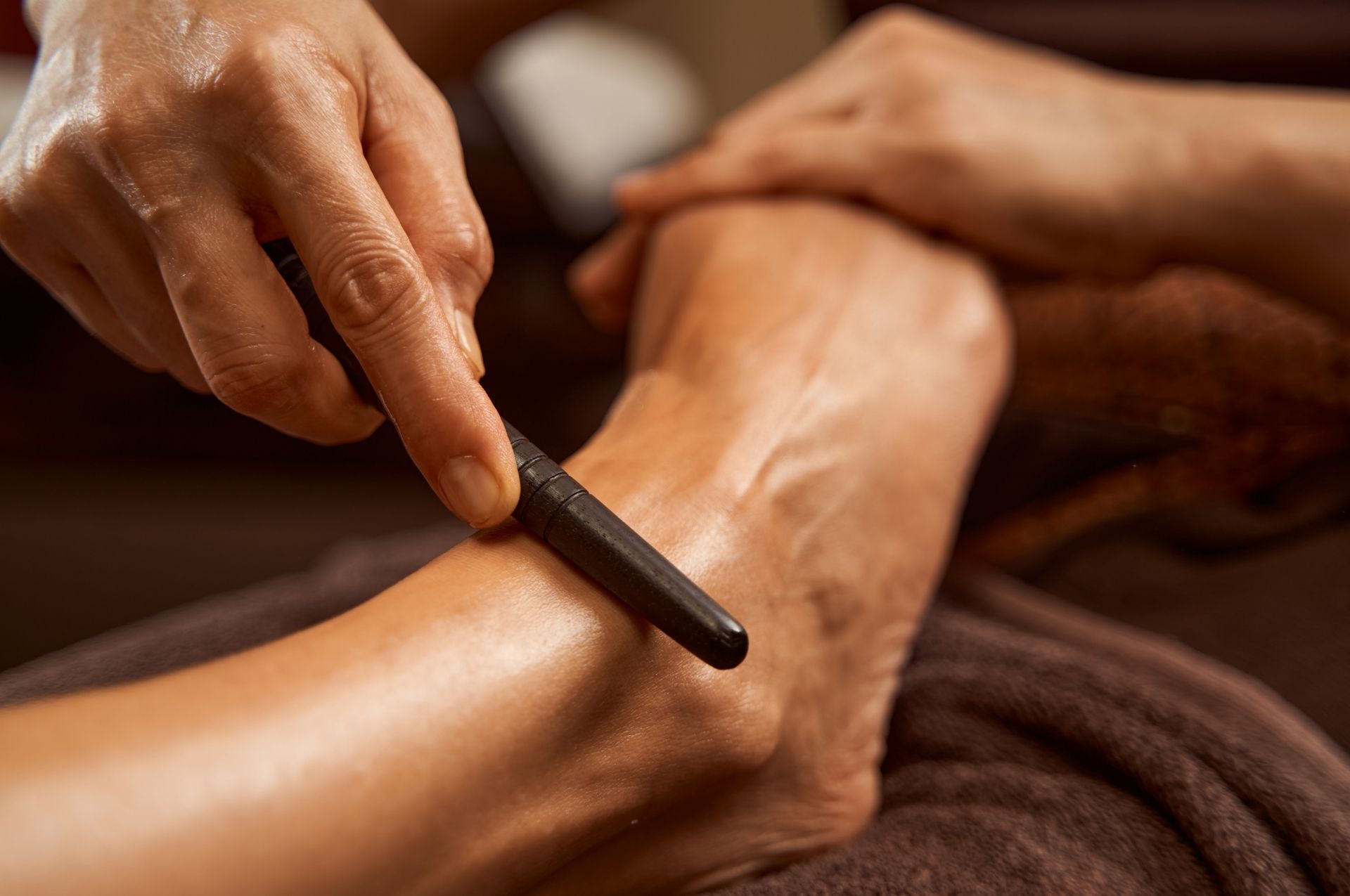
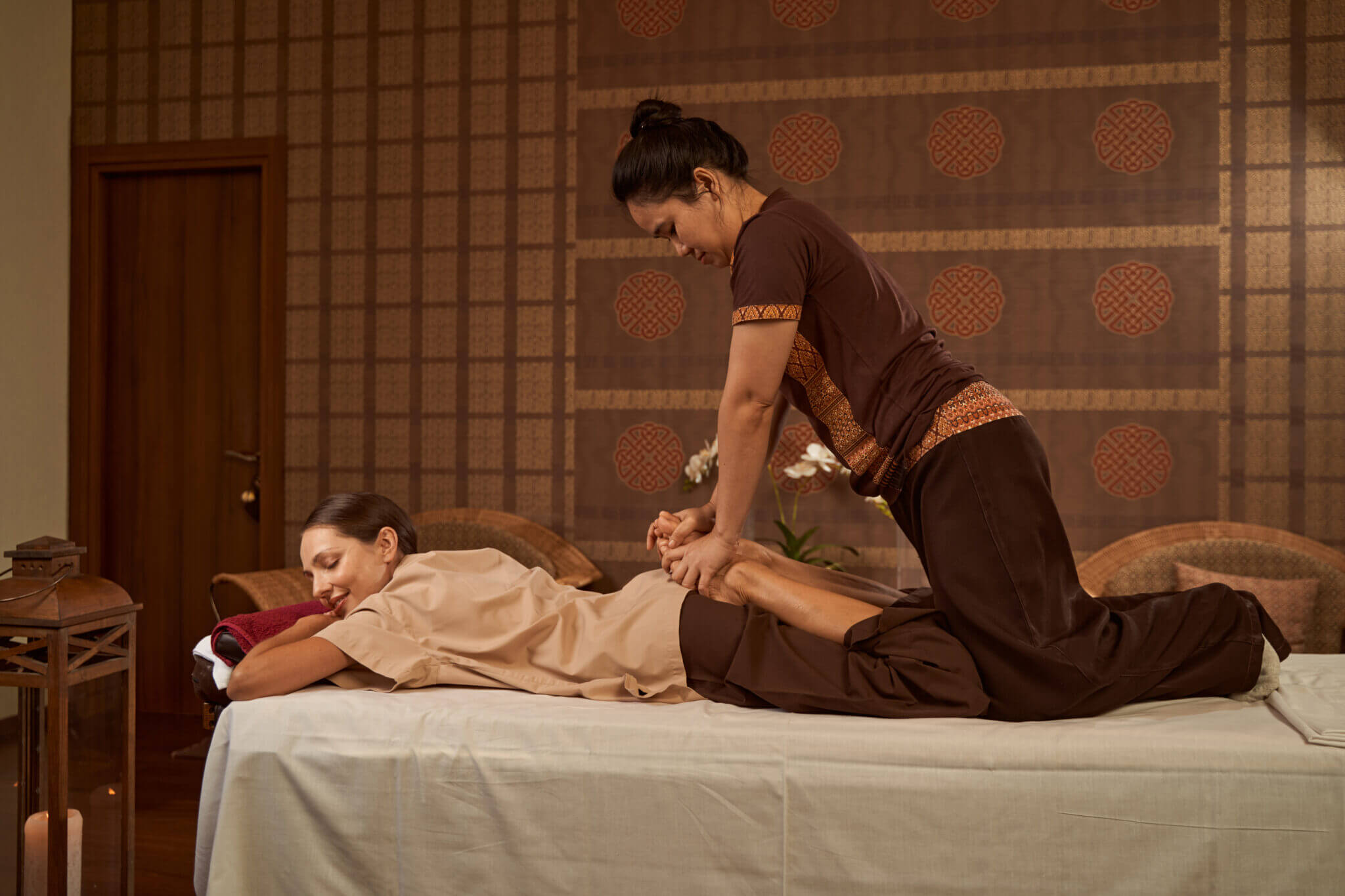
Techniques such as Thai massage, deep tissue massage, trigger-point therapy, and cupping can help release tightness and restore mobility.
Spot the Signs Early—Your Body Will Thank You
Office Syndrome doesn’t appear overnight, and it doesn’t have to disrupt your daily life. The earlier you identify the symptoms, the quicker you can take steps to prevent long-term discomfort.
If you’re regularly experiencing stiffness, headaches, tight shoulders, or back pain, listen to your body. Small changes—and proper care—can make a big difference.
Relief Thai Spa is here to support your journey toward better posture, better balance, and a pain-free work life.